Thinking of a Garden Cabin? What Louth Homeowners Need to Know About the New 2026 Rules
If you caught Joanne’s recent Property Chat on Dundalk FM’s Town Talk, you’ll know there’s been plenty of buzz around Ireland’s new rules on garden dwellings. From the end of July 2026, homeowners across the Wee County, whether you’re in Dundalk, Drogheda, Ardee, Blackrock or Carlingford, can build a small, detached living space in the back garden without applying for standard planning permission, provided a strict set of conditions is met.
For many Louth families, that’s genuinely exciting news. A garden cabin could mean independence for an adult child saving for their first home, a comfortable space for a parent moving closer to family, or simply a smarter way to use the space you already have.
But, and it’s a big but, this is not an invitation to build a second, independent house in your back garden. The moment you treat the new structure as a separate plot; you lose the automatic planning exemption. Here’s our plain-English guide to how the new rules (S.I. No. 340 of 2026) actually work.
The Two Sides of the Coin: Planning and Building Regulations
There are two separate things to get right. The planning exemption tells you whether you can build without applying for permission. The Building Regulations tell you how it must be built so it’s safe and comfortable to live in all year round. Meeting one does not excuse you from the other – full Building Regulations apply in every case.
Key Planning Conditions at a Glance
- Size: the unit must be between 32m² and 45m², and you must keep at least 25m² of private open space in the rear garden.
- Height: a pitched roof with tiles or slates can’t exceed 4 metres; other roof types are capped at 3 metres.
- Boundaries and access: the structure and its windows must sit at least 600mm from boundaries, and access must be through the main house, no new gate or driveway onto a public road.
- Services and ownership: water, electricity and wastewater must connect through the main house. The unit can’t be sold off separately or used for short-term holiday letting.
- Process: the main house must be your principal home, you must notify Louth County Council at least 14 days before starting work, and construction must be completed by 31 December 2030.
Building It Right: The Safety Side
Because this is a space for year-round living, not a shed with a sofa in it, the full suite of Building Regulations applies:
- Structural safety (Part A): proper foundations, walls and roof designed for permanent residential use.
- Fire safety (Part B): fire separation distances from boundaries and neighbouring structures, escape routes and smoke alarms.
- Ventilation and insulation (Parts F & L): modern energy-efficiency standards for walls, floors and windows, plus adequate ventilation.
- Sanitary services (Parts G & H): drainage, wastewater and clean water supply must tie directly into the main house’s utilities.
While these units don’t require a standard Commencement Notice with a third-party certifier in the same way as a full new home, professional design guidance is strongly advised – typically in the region of €4,000–€5,000 for technical compliance mapping against the Technical Guidance Documents. In our experience, that’s money well spent for peace of mind and for protecting the long-term value of your property.
Living Rurally? Septic Tanks Need Special Care
Plenty of homes around Ardee, Carlingford and rural Louth rely on a private septic tank or percolation system, and this is where the new rules get more complex. A garden dwelling cannot automatically connect to an existing off-mains system.
Mind the buffer zones
You can’t build the unit over, or right beside, your existing wastewater infrastructure. Technical Guidance Document H sets strict clearance distances from the septic tank, the percolation area and drainage access points, and heavy machinery must still be able to reach the tank for annual de-sludging.
A capacity assessment is mandatory
An extra dwelling means extra people, and extra people mean extra wastewater. A qualified site assessor must confirm your percolation field can handle the additional flow. Skip this step and you risk flooding the percolation area, surface pooling and environmental contamination; problems that are expensive to fix and can seriously affect a future sale.
No second septic tank
A crucial condition of the exemption: you cannot install a separate, standalone septic tank just for the cabin. The wastewater must route back into the main home’s system. If your existing system fails the capacity assessment, you have two options: upgrade to an advanced secondary treatment plant (certified to EN 12566-3), or, if that’s not physically possible on your site, apply for full planning permission with Louth County Council, supported by an EPA Site Suitability Assessment.
Homes with a Private Well
The same principle applies to water: you cannot drill a second well for the cabin. The new unit must draw its supply from the main house’s existing well system, which brings a few practical checks into play:
- Yield and pressure: have a pump technician test your well’s sustainable flow rate before you build. An extra kitchen, shower and toilet add real daily demand, and a struggling pump or a low summer water table can leave both homes short.
- The 30-metre rule: a private well borehole should generally sit at least 30 metres from any wastewater treatment system or percolation area to avoid bacterial contamination such as E. coli. When you’re mapping out the cabin and its new pipework, that protection zone must stay clear.
- Water quality: with a new residential unit on the supply, an updated chemical and bacteriological water test through an accredited lab is strongly recommended, and any filtration or UV treatment in the main house may need to be scaled up to serve both buildings.
Frequently Asked Questions
Do I need planning permission for a garden cabin in Louth in 2026?
Not if you meet every condition of the new exemption under S.I. No. 340 of 2026: the unit is 32–45m², connects to your main house services, keeps 25m² of garden space, and you notify Louth County Council at least 14 days before starting. Fall outside any condition and full planning permission applies.
Click here for Louth County Council Planning pages.
Click here for full list of exempted development.
Can I sell or rent out a garden dwelling separately?
No. The unit cannot be sold or split off as a separate property, and short-term holiday letting is not permitted under the exemption.
Does a garden dwelling add value to my home?
A well-built, fully compliant auxiliary dwelling can broaden your home’s appeal, particularly for multi-generational buyers. But compliance is everything: an unauthorised or non-compliant structure can complicate or even derail a sale. Keep all notifications, assessments and certificates on file.
Thinking Ahead? We’re Here to Help
Whether you’re weighing up a garden dwelling, planning an extension, or wondering what improvements would make the most difference when it comes time to move, local knowledge matters. Our team has been helping families across Dundalk, Drogheda, Ardee, Blackrock and Carlingford make confident property decisions for years.
If you’re thinking of selling, now or down the line, get in touch with Joanne at Michael Lavelle Estate Agents for an honest, no-pressure chat about your home and what today’s market means for you.
And for full details on the new regulations, extensions, garden living and property upgrades, visit the Louth County Council website, where you’ll find the official guidance and notification forms.
An Lú Abú, and happy planning!
Want to hear Joanne talk about this topic on Dundalk FM – listen to Town Talk here!
Why Lavelles? Find out more here!
Thinking of selling? Contact us now for a free of charge sales consultation.
From Heatwave to Haven: Helping Your Louth Garden Recover (and Getting Your Storage Sorted)
If your garden in Dundalk, Drogheda, Ardee or anywhere across the Wee County is looking a little worse for wear after the recent heatwave, you’re not alone. Scorched lawns, crispy leaves and drooping pots are a familiar sight across County Louth right now, but here’s the good news: most gardens are far more resilient than they look. With a little patience and a few practical steps, your outdoor space can bounce back beautifully.
And while you’re out there giving your garden some TLC, it’s the perfect time to think about something we talk to homeowners about all the time: garden storage. Whether you’re planning to stay put and enjoy your garden for years to come, or you’re thinking of selling in the months ahead, a tidy, well-organised garden makes all the difference.
Let’s start with the recovery.
Resist the Urge to Overwater
One of the most common mistakes after a heatwave is flooding the garden the moment temperatures drop. Instead, water deeply rather than little and often, focusing on the root zone rather than wetting the leaves. Early morning or late evening is the best time — and established plants generally prefer a thorough soak once or twice a week over a daily sprinkle.
Assess the Damage Before Pruning
Many plants will look worse than they actually are. Wait a week or two before making any major cuts, and check stems for signs of new growth first. Remove only the clearly dead or crispy foliage for now, and hold off on hard pruning while plants are still finding their feet.
Feed Carefully
Heat-stressed plants can be sensitive, so avoid strong fertilisers straight after a heatwave. Let plants rehydrate first, then consider a balanced liquid feed once you see signs of recovery. Lawns often do better with an autumn feed later in the season rather than a heavy summer treatment.
Revive the Lawn
Brown grass often looks dead but may simply be dormant, a very Irish garden mystery! Give your lawn a deep soak if dry conditions continue, avoid cutting too short, and raise your mower blades for the next few cuts. Once temperatures moderate and the rain returns (as it always does in Louth), reseed any bare patches.
Mulch to Retain Moisture
Adding mulch is one of the best recovery strategies going. Apply 5–8cm of compost, bark mulch or well-rotted organic matter, keeping it away from plant stems. Mulch helps regulate soil temperature and reduces future water loss, your garden’s own insulation policy.
Check Trees and Shrubs
Young trees are particularly vulnerable after a hot spell. Water deeply around the drip line, keep an eye out for leaf scorch, premature leaf drop or wilting, and stake newly planted trees if they’ve come loose in dry soil.
Support Containers and Hanging Baskets
Container plants suffer most during heatwaves. Remove dead flowers and foliage, rehydrate thoroughly (soaking pots if necessary), and top up compost where it has shrunk. For future hot spells, consider moving vulnerable pots into partial shade.
Tackle Weeds Quickly
When the rain returns after a heatwave, weeds surge with enthusiasm. Get them out before they compete for moisture, and mulch afterwards to suppress regrowth.
Plan for the Next Heatwave
Use this summer’s experience to make your garden more resilient. Install water butts, group thirsty plants together, choose drought-tolerant varieties where appropriate, and increase organic matter in your beds to improve moisture retention.
And Above All – Be Patient
The most important advice is often the simplest. Many plants, shrubs and lawns that look badly damaged in July or August recover remarkably well once cooler weather and rain return. Give them time before replacing them.
Storage Isn’t Just for Shoes: Sorting Your Garden Space
Now that we’re all using our gardens more — and investing in furniture, barbecues, bikes and toys to enjoy them – storage has become just as important outdoors as it is indoors. The goal? Practicality meets pretty.
The Hidden Value of Garden Storage
Bikes, bins, lawnmowers and garden furniture all need a home, and a tidy garden instantly feels larger. If you’re thinking of selling, it matters even more: buyers associate organised storage with a well-maintained property.
Garden Sheds Have Evolved
Gone are the days when a shed was automatically an eyesore. Modern timber, composite and metal options each have their own benefits, and it’s worth choosing a style that complements your house. One word of warning for anyone preparing to sell: a leaning shed does not sell well. It screams “JOB” to every viewer who walks through the gate.
Clever Storage Ideas
There are so many smart options now: bench seating with hidden storage, vertical wall storage for tools, slimline bin stores, bike lockers, and deck boxes for cushions and children’s toys. Small changes, big impact.
Think Beyond Storage
Could your shed work harder for you? Sheds across Louth are being reimagined as workshops, home offices, hobby rooms, potting sheds and even garden gyms. If you’ve got the space, it’s worth dreaming a little bigger.
Security Matters
Lock valuable equipment away and install good lighting, and remember, buy cheap, buy twice. If you own an expensive bike, consider fitting anchor points to keep it secure.
Is Your Clothes Line Haunting Your Garden?
We’ve all seen them – the rusty rotary line leaning at a worrying angle. If your clothes line is haunting your garden, it’s time for a new one. A broken old clothes horse has no place in a happy garden!
Dumping Stuff? Do It Responsibly
Old clothes lines, broken pots, tired kids’ toys, leftover decking — dispose of it responsibly. Locally, V&W Recycling is fantastic. And if you’re selling, please don’t stash your garden junk behind the shed. It’s the garden equivalent of brushing dirt under the carpet — and it will trip you up!
Thinking of Selling? Give Your Garden the Once-Over
Before putting your home on the market (and once the plants, trees and hedges are looked after), take time to declutter the garden. Remove broken pots and unused equipment, and hide hoses and bins where possible. Buyers imagine themselves enjoying the space, not tripping over clutter.
A few questions worth asking yourself as you walk around your garden:
- What’s out of place?
- Would you rather have a larger shed or more seating?
- Is that “cute” corner actually just ahead of clutter?
A Garden Worth Coming Home To
Whether you’re nursing your lawn back to life after the heatwave or finally giving the bikes and bins a proper home, a well-loved garden adds so much to how a home feels, and how it’s valued.
If you’re thinking of selling in Dundalk, Blackrock, Carlingford, Ardee, Drogheda or anywhere across County Louth, the team at Michael Lavelle Estate Agents is always happy to offer friendly, honest advice on getting your home (and garden) market-ready. Call in, give us a ring, or drop us a message – we’d love to help.
Contact us now.
Read more of our tips on our blog page – click here for more!
Find the full Dundalk FM Town Talk episode where Joanne speaks about the garden here.
How to Dress Your Home in Louth Colours for Saturday – Without Breaking the Bank

There’s a buzz around the Wee County this week, and no wonder. Louth are heading to Croke Park this Saturday, and from Dundalk to Drogheda, Ardee to Carlingford, homes across County Louth are turning red and white.
At Michael Lavelle Estate Agents, we spend every day in and out of houses across Louth — and we can tell you, there’s nothing like a street in full county colours to show what community really looks like. You don’t need to spend a fortune to make your home the pride of the road either. Here’s how to do it on a budget, with the kids involved and the kettle on.
Invest in One Flag – Spoof the Rest
Our top tip: buy one official Louth GAA flag and build everything else around it with what you already have at home. One proper flag over the front door sets the tone, and the DIY bits do the rest. Trust us, it’ll look fab.
Got an old sheet or dust sheet? Don’t throw it out:
- Cut it into long strips and drape them around your front door for an instant red-and-white welcome.
- Or go big. Turn it into a giant “An Lú Abú” poster with a tin of red paint. Take your time so it doesn’t drip everywhere. This is definitely one for the grass, not the good kitchen floor!
And here’s the sneaky one: get the Christmas decorations out in July. Anything red or white in that box – tinsel, baubles, fairy lights – is officially match-day décor this week. Nobody will ever know.
Get the Kids Involved – A Massive Arts & Crafts Opportunity
Saturday’s match is a brilliant excuse to get the whole house involved. Here’s what to set them loose on:
- Paper chains: red and white paper, a glue stick, and they’re away for the afternoon.
- Cereal box art: paint the inside of cereal boxes red and white for instant window panels.
- Chalk the driveway: get the coloured chalk out and let them go to town on the Lú logo.
- DIY bunting: A3 paper, a tin of red paint, ribbon and a stapler. String it across the front of the house and you’re match-ready.
- Window signs: “An Lú Abú” in the front window says it all.
- Giant foam hands: cut out oversized hands from card and paint them red and white.
- Crepe paper baubles: cheap, cheerful and very effective hanging in the porch.
- Balls of wool: red and white wool pom-poms are a lovely finishing touch (and grannies across Louth will approve).
Red & White in the Kitchen: Match-Day Treats
Once the house is looking the part, it’s time to feed the supporters. Keep it simple, keep it red and white:
Sweet treats:
- Buns with white icing and red sprinkles
- Popcorn
- Strawberry jelly and ice cream
- Red lemonade (the true taste of an Irish match day)
- Pavlova with strawberry sauce
- Red sugar laces for the kids
- Red and white napkins to tie it all together
Savoury snacks:
- Caprese skewers – mozzarella, cherry tomatoes and basil
- Mini pizzas with tomato and mozzarella
- Red pepper and hummus cups
- Crackers with cream cheese and red pepper jelly
- Cherry tomatoes with mini mozzarella balls
- Chicken goujons with garlic mayo
The Match-Day Grazing Board
If you’re having the neighbours in for the game, one big grazing board does all the work for you. Load up a large board with:
- White cheddar cubes
- Mini mozzarella balls
- Chorizo
- Cherry tomatoes
- Red grapes
- Strawberries
- Crackers
- Red peppers
- Raspberry chutney
Red and white from end to end – and not a saucepan in sight.
From All of Us at Michael Lavelle Estate Agents
Whether you’re watching from the sofa in Dundalk, hosting the extended family in Blackrock, or lucky enough to be on the road to Croke Park, we hope your home is dressed head to toe in red and white this Saturday.
We’ve been helping people buy and sell homes across County Louth for years, and weeks like this remind us exactly why we love it – this county shows up for its own.
An Lú Abú!
Read more of our blogs here: https://lavelles.ie/category/dundalk-news-on-property-for-sale-in-dundalk-and-louth-by-lavelles/
Looking to buy – find our listings here: https://lavelles.ie/houses-for-sale-in-dundalk-houses-for-sale-in-louth/
Your Dundalk Home Is Becoming an Oven Right Now in This Irish Heat Wave – Here’s How to Stop It


It doesn’t happen often, but when it does, it catches us completely off guard. The sun is out, the forecast is red, and within hours your Dundalk home, built to hold onto every degree of Irish warmth, has turned into a greenhouse you can’t escape. Sound familiar?
Here’s the thing most people get wrong: you can’t cool an Irish home down once it overheats. You have to stop it heating up in the first place. A well-managed home in Louth can stay 3–8°C cooler than outside temperatures during a heatwave, without air conditioning, just by following the right steps at the right time.
We shared these tips live on Dundalk FM this week, and the response from homeowners across Louth was massive. So here’s everything in one place, whether you’re in a new build in Dundalk, a terrace in Drogheda, or a family home anywhere in County Louth.
10 Ways to Keep Your Home Cool During an Irish Heatwave
1. Close Curtains and Blinds – Before the Sun Hits
The single biggest source of heat in an Irish home is direct sunlight through windows. The trick is to close curtains, blinds, and shutters on sun-facing windows before the sun reaches them, not after you’re already sweltering. Thermal blackout curtains are a worthwhile investment for Louth homeowners who want to future-proof against hotter summers. South- and west-facing rooms need the most protection.
2. Open Windows at the Right Time – Not All Day
This is one of the most common mistakes made by Irish homeowners during a heatwave. Keep windows closed once outdoor temperatures exceed indoor temperatures. Open them:
- Early morning (before 8am)
- Late evening
- Overnight (if safe to do so)
3. Create Cross-Ventilation
Open windows on opposite sides of your home to get a through-breeze going. Combine upstairs and downstairs windows and leave internal doors open to maximise airflow. This works particularly well in the semi-detached and detached homes common across Dundalk and Louth.
4. Use Fans the Right Way
Fans cool people, not rooms. Place a fan near an open window in the evening to draw cooler air in from outside. Want an upgrade? Put a bowl of ice or frozen water bottles in front of the fan for a temporary air-conditioning effect.
5. Kill the Indoor Heat Sources
Tumble dryers, ovens, dishwashers, and even gaming consoles all pump out surprising amounts of heat. During a heatwave, swap to BBQs, air fryers, microwaves, and slow cookers. Your home, and your energy bill, will thank you.
6. Keep the Attic Heat Trapped Up There
Irish attics can reach extreme temperatures on a hot day. Keep the attic hatch firmly closed during the day so that heat stays where it is and doesn’t pour down into your living space. Make sure your loft insulation is in good condition. This matters in summer as much as winter. Roof windows should have blinds kept down.
7. Prep Your Bedroom Before Bedtime
A cool night’s sleep is the biggest challenge for Irish homeowners during a heatwave. Open bedroom windows after sunset, switch to cotton bedding, ditch the heavy duvet, and keep bedroom doors open for airflow. Ground-floor rooms are often several degrees cooler – worth considering on the hottest nights.
8. Shade the Outside of Your Windows
External shading beats internal blinds every time. Awnings, external shutters, parasols, or temporary shade sails stop heat before it even reaches the glass. If you’re thinking about home improvements in Louth, external shading is one of the smartest upgrades you can make for future summers.
9. Head Downstairs
Heat rises – simple physics. Ground-floor rooms in a Dundalk home can be meaningfully cooler than upstairs bedrooms. On very hot nights, it’s worth temporarily moving to a cooler downstairs room.
10. Water the Garden Strategically (Yes, this is controversial)
Trees, hedges, and climbing plants provide natural shade and help cool the air around your home. Water early morning or late evening to maximise the benefit. If you’re thinking about landscaping your Louth property, mature planting is a long-term heatwave strategy worth considering.
The Biggest Heatwave Mistakes Irish Homeowners Make
- Leaving windows open all afternoon (you’re letting hot air in, not out)
- Opening the attic hatch to “let heat escape” (it flows down, not up)
- Running tumble dryers and ovens during the hottest hours
- Leaving curtains open on sun-facing rooms all morning
- Sleeping under winter-weight duvets
Special Note for New-Build Homeowners in Dundalk & Louth
If you’ve recently bought a new-build home in Dundalk, Drogheda, or anywhere in County Louth, you may find it overheats faster than an older property. Modern Irish homes are built to be airtight – brilliant for energy efficiency in winter, but a real challenge in summer. Focus on:
- Night-time purge ventilation (windows wide open overnight)
- Blinds down on all sunny elevations during the day
- Internal doors open for airflow throughout the house
- Avoiding heat-generating appliances between 11am and 6pm
Staying Safe During an Irish Heatwave
Most people are uncomfortable rather than in danger, but prolonged high temperatures can still cause serious health problems. Here’s what every Louth resident should know.
Hydration first: drink water regularly, even if you don’t feel thirsty. Carry a water bottle when out and about and go easy on alcohol, which accelerates dehydration. Tea and coffee are fine in moderation.
Time your day: stay indoors during the hottest part of the day, typically 11am to 4pm. Wear loose, light-coloured clothing and take cool showers. A damp cloth on the neck, wrists, and forehead works surprisingly well.
Outdoors: seek shade wherever possible. Wear a wide-brimmed hat, sunglasses, and SPF 30+ sunscreen. Avoid strenuous gardening, DIY, or exercise during peak heat.
Signs of Heat Exhaustion to Watch For
Dizziness, headache, excessive sweating, nausea, muscle cramps, and fatigue are all warning signs. If someone develops these symptoms: move them to a cool place, give them water or a sports drink, cool the skin with wet towels, and let them rest.
Heatstroke Is a Medical Emergency
Call 999 or 112 immediately if someone develops confusion, loss of consciousness, very high body temperature, hot dry skin, or seizures. Heatstroke can be life-threatening.
Check On Your Neighbours
This is especially important in Louth’s towns and villages. Check on older relatives and neighbours, families with young babies, people with chronic illness, and anyone living alone. A quick knock on the door or a phone call can make a genuine difference.
Pets Need Care Too
Dogs and cats struggle in the heat. Keep fresh water available at all times, provide shade, and avoid walking dogs on hot pavements. Never leave pets or children in a parked car, even for a few minutes. Temperatures inside a vehicle rise rapidly, even on a mild Irish day.
The Golden Rule for Irish Heatwaves
Keep your home shaded, ventilate at night, avoid the midday sun, drink plenty of water, and check on your neighbours.
Heard Us on Dundalk FM?
These tips were shared live on Dundalk FM as part of our regular Louth Living and property segment. Listen back and catch future episodes at www.dundalkfm.com — we cover everything from the local property market to practical homeowner advice across County Louth.
Follow Michael Lavelle Estate Agents for More Louth Property & Living Tips
Whether you’re buying, selling, or renting in Dundalk or just want practical advice on looking after your home in County Louth, our team of negotiation, sales, and marketing experts continues to work hard to get the best deal for our clients’ property sales throughout Louth.
Follow us on social media for regular updates on the Louth property market, local living tips, and more from Dundalk FM.
Looking to buy? See our current listings here.
Families of Dundalk on Dundalk FM
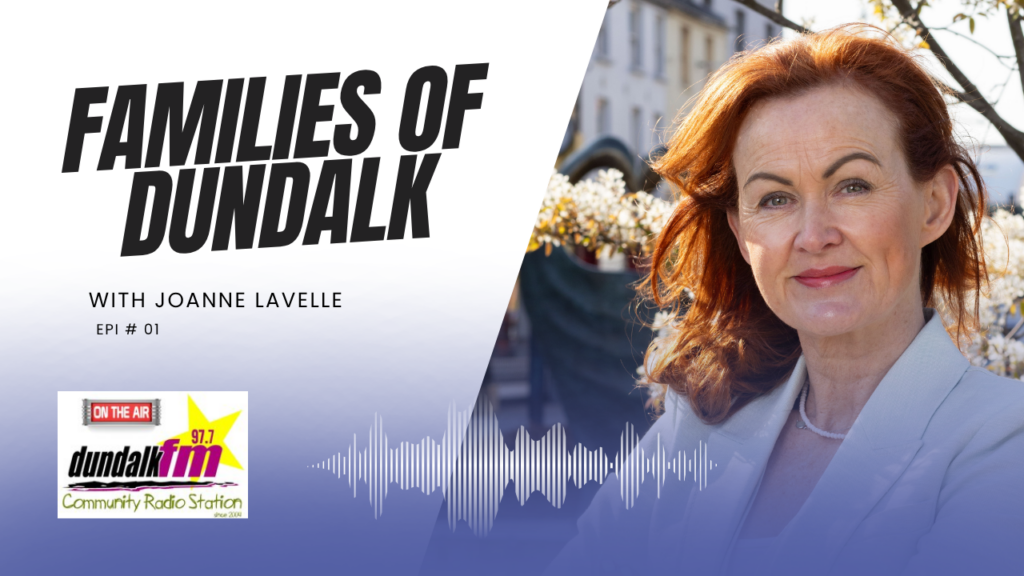
Families of Dundalk is a brand new radio series presented by Joanne Lavelle, well known in Dundalk for her work in property and her deep connection to the local community. Broadcast on Dundalk FM 97.7, this series celebrates the heart of Dundalk, its long-established family businesses and the people behind them.
Set in the vibrant town of Dundalk, Co. Louth, this 6-part series brings listeners behind the scenes of some of the town’s most recognised and trusted businesses. Joanne Lavelle sits down with local business owners to uncover their stories, their challenges, and the lessons learned from serving the Dundalk community across generations.
With Dundalk continuing to grow as a thriving hub for business, culture, and community, Families of Dundalk highlights the importance of supporting local and preserving the legacy of independent family-run enterprises.
About Families of Dundalk on Dundalk FM 97.7
This 6-part series explores the role that independent family businesses play in Dundalk.
In this series, Presenter Joanne Lavelle, who herself is an independent 2nd-generation businesswoman in Dundalk, gets to meet some of the longest-standing families operating in our town centre. She finds out how they started, how they have evolved and overcome challenges, and what is important to them as independent business owners. Joanne also checks in with some local experts to ask their views on how Dundalk is as a town, and a place to live, thrive and do business. These include a local historian, an academic, a devoted town centre advocate and Dundalk Chamber of Commerce.
Common themes emerge in these very personal, honest and genuinely enjoyable conversations: the importance of families serving families, the critical role that Dundalk’s Business Improvement District Scheme (BIDS) has played in raising the experience for Dundalk’s shoppers, the unique values of an Irish family business and the joy that all of these local businesses have in serving the visitors, shoppers and clients of Dundalk.
You can visit Dundalk FM on their website here.
Listen to Families of Dundalk Episodes
Dundalk is home to a wide range of independent family-run businesses that have stood the test of time. From retailers to service providers, these businesses are built on trust, reputation, and community support. Families of Dundalk shines a light on these stories, offering listeners a deeper appreciation of the people behind the shopfronts.
Supporting local businesses in Dundalk has never been more important. This series is a reminder of the value these businesses bring to the town, not just economically, but socially and culturally. By choosing local, you are supporting families, livelihoods, and the continued growth of Dundalk.
Follow along as Joanne Lavelle continues to explore Dundalk’s rich business heritage.
Each episode of Families of Dundalk is available to listen to right here on this page.
Episode 1 of our show is now live!
We spoke to Marie Lynch, Michael Lynch, Menswear, John McGahon, CEO of Dundalk Chamber of Commerce and Liam Gaynor.
Episode 2 is now live!
Our guests include Conor McCormick of McCormick’s Butchers, David McGee of Christy McGee Insurance and John McGahon, CEO Dundalk Chamber of Commerce.
Episode 3 is now live!
Listen in to episode 3 here – featuring Holland Hardware & Connell & Co.
https://www.mixcloud.com/DundalkFMMixcloud/families-of-dundalk
Episode 4 – is now live!
Episode 4 went live on Saturday, 4th April at 11 am on Dundalk FM 97.7, featuring Aaron Rogers – The Gym / Body for Life and Terry Kelly – Terry Kelly Paints.
Episode 5 – is now live!
Episode 5 went live on Saturday, 11th April on Dundalk FM 97.7, featuring Ann McEntaggart from Life Pharmacy in Seatown, as well as Deborah and Chris from Conlon’s Food Deli and Martin McElligott from Dundalk BIDS.
Episode 6 – is now live!
Episode 6 of Families of Dundalk was live on Saturday 18th April on Dundalk FM 97.7, featuring Gerard and Jen McEvoy of McEvoys Stores and Michael Lavelle from Michael Lavelle Estate Agents.
If you want to contact Joanne Lavelle about this show or about your property needs, see our contact details here: https://lavelles.ie/contact-michael-lavelle-estate-agents-dundalk-co-louth/
If you want to find out more about Michael Lavelle Estate Agents, see our about page here: https://lavelles.ie/about-lavelles-local-estate-agents-in-louth/
If Ever There Was a Day to Take a Cold, Hard Look at Your Home’s Energy Efficiency — It’s Today
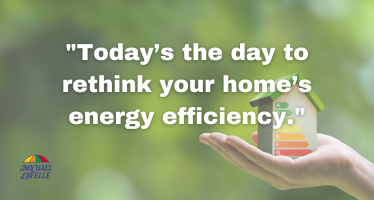
With rising energy costs, colder winters, and increasing focus on sustainability, energy efficiency has moved from being a “nice to have” to an essential consideration for homeowners. Whether you’re living in your forever home, planning upgrades, or thinking about buying or selling, understanding your home’s energy performance has never been more relevant. If Ever There Was a Day to Take a Cold, Hard Look at Your Home’s Energy Efficiency — It’s Today.
Why Improve Energy Efficiency?
Improving energy efficiency delivers benefits that go far beyond reducing bills. It impacts how we live day-to-day, how healthy our homes are, and how future-proof they will be.
Better Living
* Lower energy bills: According to SEAI, space and water heating account for over 60% of energy use in Irish homes. Improving insulation and heating efficiency can significantly reduce both short- and long-term energy costs.
* More comfortable homes: Well-insulated homes retain heat better, leading to more stable indoor temperatures and fewer draughts.
* Health benefits: Research linked to the World Health Organization shows that cold, damp homes increase the risk of respiratory illness, particularly among older people and young children.
* Reduced carbon footprint: Residential buildings are responsible for approximately 15–20% of Ireland’s total energy-related CO₂ emissions (SEAI). Improving efficiency directly supports national climate targets.
* Lower maintenance costs: Modern heating systems and upgraded building elements are typically more reliable, reducing ongoing repair and maintenance expenses.
* Future-proofing: Energy standards are tightening across Europe. Improving your home now helps protect against future regulation changes and rising energy prices.
Why Energy Efficiency Matters When Buying, Selling, or Financing
Energy efficiency is now a major factor in the property market and in lending decisions.
* Higher property value: Studies using national property data indicate that homes with stronger BER ratings achieve higher sale prices compared to less efficient homes, as buyers factor in running costs and comfort.
* Stronger buyer demand: Energy-efficient homes are increasingly sought after, particularly as household energy awareness grows.
* Access to grants: Government supports can significantly reduce the cost of upgrades, making improvements more achievable.
* Improved mortgage options: Irish lenders are expanding green mortgage products, offering better rates for homes with higher BER ratings or those upgraded post-purchase.
Case Study: 1920s Mid-Terrace Home, Dundalk
A 2–3 bedroom mid-terraced home built in the 1920s presented with a G BER rating and no central heating.
Works completed:
* New concrete floor
* Upgraded front and back doors
* Installation of modern electric storage heaters
* Attic insulation upgrade
Total cost: €10,000 – €12,000
Grant support: €7,800 (approximately 75% of works covered)
New BER rating: C3
The property is eligible for up to 75% of cost of the works covered from SEAI grants – see more details here.
With the improvements, the property is eligible for green mortgage which represents big savings on monthly mortgage repayments.
This example shows how targeted, practical upgrades – supported by grants – can dramatically improve comfort, energy performance, and long-term value without excessive out-of-pocket cost.
Housing Aid for Older People Scheme
The Louth County Council Housing Aid for Older People Scheme supports homeowners aged 66 and over, helping them carry out essential repairs and energy improvements so they can continue living safely and comfortably in their own homes.
Eligible works include:
* Heating system installation or upgrades
(Note: grants are not available for new fossil-fuel boilers such as oil or gas)
* Repair or replacement of windows and doors
Maximum grant: Up to €10,700, means-tested, with up to 100% of approved costs covered in some cases.
Find the link for more information on the grants here.
Energy Efficiency and the Property Market Today

For anyone buying or selling, energy efficiency is no longer secondary:
- Buyers increasingly view BER ratings as a measure of future affordability
- Sellers benefit from stronger interest and clearer differentiation
- Homes with poor energy performance may require price adjustments or upgrades to remain competitive
In short, energy efficiency directly influences comfort, cost, and market appeal.
Why focus on efficiency?
Energy efficiency is one of the most impactful improvements you can make to a home. It delivers:
✔ Lower annual energy bills
✔ Reduced running costs day to day
✔ Improved comfort and health
✔ Greater long-term property value
✔ Access to meaningful government supports
✔ A more sustainable future
If ever there was a day to take a proper look at how your home performs — this is it.
If you are considering selling your property, why not contact us about a valuation.
Seasonal Home Decorating this Halloween 2025: Balancing Festivity and Market Appeal


As the leaves turn golden and the air grows crisp, many homeowners eagerly anticipate the upcoming holiday season. Halloween and Christmas are just around the corner, bringing with them a plethora of decorating ideas to transform our homes into festive wonderlands. However, buyers are looking online year round at houses for sale in Louth and Dundalk, so if you’re considering putting your property on the market during this time, it’s essential to strike a balance between seasonal charm and broad market appeal.
The Double-Edged Sword of Holiday Decor
While holiday decorations can make your home feel warm and inviting, they can also present challenges when it comes to selling your property. Here are a few considerations:
- Limited Visualisation: Excessive seasonal decor can make it difficult for potential buyers to envision themselves living in the space year-round. Remember, you’re selling a home, not just a holiday setting.
- Photo Longevity: Marketing materials play a crucial role in attracting potential buyers. Photos and video taken with prominent seasonal decorations can quickly become dated. For instance, a home photographed in late October with Halloween decorations will seem far less appealing to buyers viewing the listing after the Halloween fuss, even in early November.
Striking the Right Balance: Decorating Tips for Home Sellers in Louth
If you’re planning to list your property during the holiday season, consider these tips to maintain broad appeal while still embracing the festive spirit:
- Subtle is Sweet: Opt for understated decorations that add a touch of seasonality without overwhelming the space. Door wreaths, for example, can add a festive flair without dominating your home’s appearance.
- Avoid the Extremes: When it comes to Halloween, steer clear of elaborate or gruesome displays. Blood, bones, and oversized spiders might be fun for trick-or-treaters, but they can be off-putting to potential buyers.
- Timing is Everything: Be mindful of when you decorate between now and Christmas even. The rush to put up Christmas lights and decorations can make it challenging to capture neutral marketing photos from mid-November onwards.
- Focus on Cosy, Not Kitschy: Instead of holiday-specific decor, consider adding elements that create a warm, inviting atmosphere. Soft throw blankets, plush pillows, and warm lighting can create a cosy ambiance that appeals to buyers regardless of the season. Think seasonal rather than horror film spooky!
Planning Ahead: The Early Bird Gets the Worm
If you’re contemplating putting your home on the market this October in Louth, now is the perfect time to get started! One of the best ways to kick off this process is by scheduling our Free Home Sales Valuation. You can easily book an appointment here or by calling Michael Lavelle Estate Agents at 042-933-2482.
Our team will be delighted to help you discover more about your home’s market valuation and explain how our local expertise and unique marketing strategies can help you reach your selling goals with less stress and greater success.
Conclusion: Celebrate Wisely
Not planning to sell? Then feel free to let your creativity run wild and fully embrace the holiday spirit in your home decor of course!
However, if selling is on your immediate horizon, especially when buyers are looking for houses for sale in Louth or houses for sale in Dundalk, a thoughtful approach to seasonal decorating can help maintain your home’s broad appeal while still allowing you to enjoy the festive season.
Remember, the goal is to help potential buyers see your property as their future home, regardless of the season. By planning ahead and decorating wisely, you can create a welcoming atmosphere that resonates with buyers while still enjoying the magic of the holidays in your current home. Check out our Google Reviews to see what our clients say about us!
If you’re ready to make a move or need assistance with selling a home in Louth, we’re here to help!
Finding Your Perfect Property in Louth


Are you considering buying property in Louth? Whether you’re looking for a cosy home in Carlingford, a modern apartment in Blackrock, or a spacious house in Dundalk, the list can be endless for what you might be looking for however, navigating the Irish property market can be a daunting task. But fear not! With over 50 years of local Louth presence and far more than that in combined years of expertise, Michael Lavelle Estate Agents is here to guide you through the process and help you find your perfect home.
The Three Golden Rules of Property Hunting
1. Get on Our Database
The first and most crucial step in your property search is to register with us. By providing details about your preferences – including location, property type, and budget – you ensure that you’re notified as soon as suitable properties become available. This is particularly important for off-market properties, which might not be publicly listed.
“The danger is if you’re not on the database, your dream home could be there and you might not even know about it, particularly if it’s an off-market property.” ~ Joanne Lavelle, Director of Michael Lavelle Estate Agents, Dundalk
To get started, simply send your search criteria to info@lavelles.ie. Our team will use this information to match you with properties that meet your needs and even email you directly when a matching property becomes available!
2. Utilise Virtual Viewings
In today’s digital age, property hunting has become more accessible than ever. Keep a close eye on our channels, especially our YouTube channel, where we regularly post virtual tours of our listings.
“All of our properties have virtual viewings. So when I put a new virtual viewing on, if you are subscribed to the channel, you’ll find out about it straight away.”
By subscribing to our YouTube Channel, you’ll be among the first to know when new properties hit the market. This allows you to explore homes from the comfort of your own space, saving you time and helping you narrow down your options before arranging physical viewings. Don’t forget to follow us on Facebook, Instagram, and TikTok as well for additional updates and market insights.
3. Act Quickly
When you find a property that interests you, don’t hesitate to reach out.
“When something comes on the market, get onto us quick, get in to get a viewing, and have a close look.”
In competitive areas like Carlingford, Black Rock, or Dundalk, being the first to express serious interest can be a significant advantage. Our team at Michael Lavelle Estate Agents is ready to arrange viewings and provide you with all the information you need to make an informed decision.
Why Choose Michael Lavelle Estate Agents?
With decades of experience in the Irish property market, we understand that buying a property can be overwhelming. That’s why we’re committed to making your purchasing process as smooth and efficient as possible. Our comprehensive approach ensures that you:
- Don’t miss out on your dream home
- Save time by virtually viewing properties before physical visits
- Position yourself as a serious buyer in a competitive market
Take Action Today!
Ready to start your property journey in Louth? Here’s how you can get started with Michael Lavelle Estate Agents:
- Email your search criteria to info@lavelles.ie
and do at least one of the following ( the more the merrier!)
- Subscribe to our YouTube channel for virtual tours
- Follow us on Facebook, Instagram, and TikTok for regular updates
- Visit www.lavelles.ie to explore our current listings
Don’t let your dream home slip away. Contact Michael Lavelle Estate Agents today and let our experienced team guide you through the exciting process of buying property in Louth.
Remember, in the world of property, knowledge is power, and timing is everything.
With Michael Lavelle Estate Agents by your side, you’re already one step closer to finding your perfect Irish home in Louth.
Get ready to Go to Market in 2024 (Property Sales Market)

As we approach autumn 2024, the property market is gearing up for one of its busiest seasons. If you’re considering selling your home, now is the time to start preparing. This guide will walk you through why autumn is a prime time for property sales and how you can get your home match-fit for the market.
Why is Autumn Busy in Property?
Autumn traditionally sees a surge in property market activity for several reasons:
- Family Moves: Many families aim to move before the new school year starts, making autumn a popular time for house hunting
- Post-Holiday Focus: Buyers often return from summer holidays ready to make decisions, leading to increased activity.
- End-of-Year Transactions: Many buyers want to finalise their purchases before the Christmas season, creating a sense of urgency.
Getting Match-Fit: The ABCD Approach
To ensure your property stands out in the competitive autumn market, follow our ABCD approach:
A – Awareness
Take a critical look at your property and address these key areas:
- Curb Appeal: Ensure your home’s exterior is inviting. Tidy up the garden, clean the windows, and consider a fresh coat of paint for the front door.
- Paintwork: Refresh interior walls with neutral colours to appeal to a wide range of buyers.
- Clutter: Declutter and depersonalize to showcase your home’s spaciousness and potential.
- Repairs: Address any minor fixes to present a well-maintained property.
B – BER (Building Energy Rating)
Book your BER assessment early. A high rating (A or B) can significantly boost your property’s appeal and value in today’s energy-conscious market.
C – Compliance
If this is your first sale or you’ve made modifications to the property:
- Consult your solicitor about necessary compliance documents.
- Gather permits and approvals for any extensions or renovations.
D – Deeds
Start the paperwork process early to avoid delays:
- If mortgaged, instruct your solicitor to request deeds from the bank.
- For unmortgaged properties, have your solicitor begin drafting contracts of sale.
Maximising Your Autumn Sale
To make the most of the autumn market:
- Price Strategically: Research comparable properties in your area and price competitively.
- Enhance Autumn Appeal: Showcase your home’s cosy features, like fireplaces or warm lighting.
- Flexible Viewing Times: Accommodate potential buyers with evening and weekend viewings where possible.
- Professional Photography and Videography: Capture your home in its best light, highlighting autumn colours if possible.
Conclusion
Autumn 2024 presents a prime opportunity for property sales. By following the ABCD approach and preparing your home thoughtfully, you can position yourself for a successful and timely sale.
Remember, a well-prepared home not only functions better for your family but also presents beautifully to potential buyers.
Ready to Sell? Experience the Lavelles Difference
If you’re considering selling your property in Louth this autumn, experience the Lavelle’s Sales Experience first-hand. Start with a Free Home Sales Valuation and receive a unique video guide on “Preparing Your Home for a Successful Sale“ exclusive to Michael Lavelle Estate Agents.
Don’t miss this opportunity to maximise your property’s potential in the autumn market.
Contact Michael Lavelle Estate Agents today and take the first step towards a successful sale. Our expert team is ready to guide you through every stage of the selling process, ensuring you achieve the best possible outcome for your property.
Carlingford, Co. Louth: Where Nature, History, and Community Blend into the Perfect Lifestyle
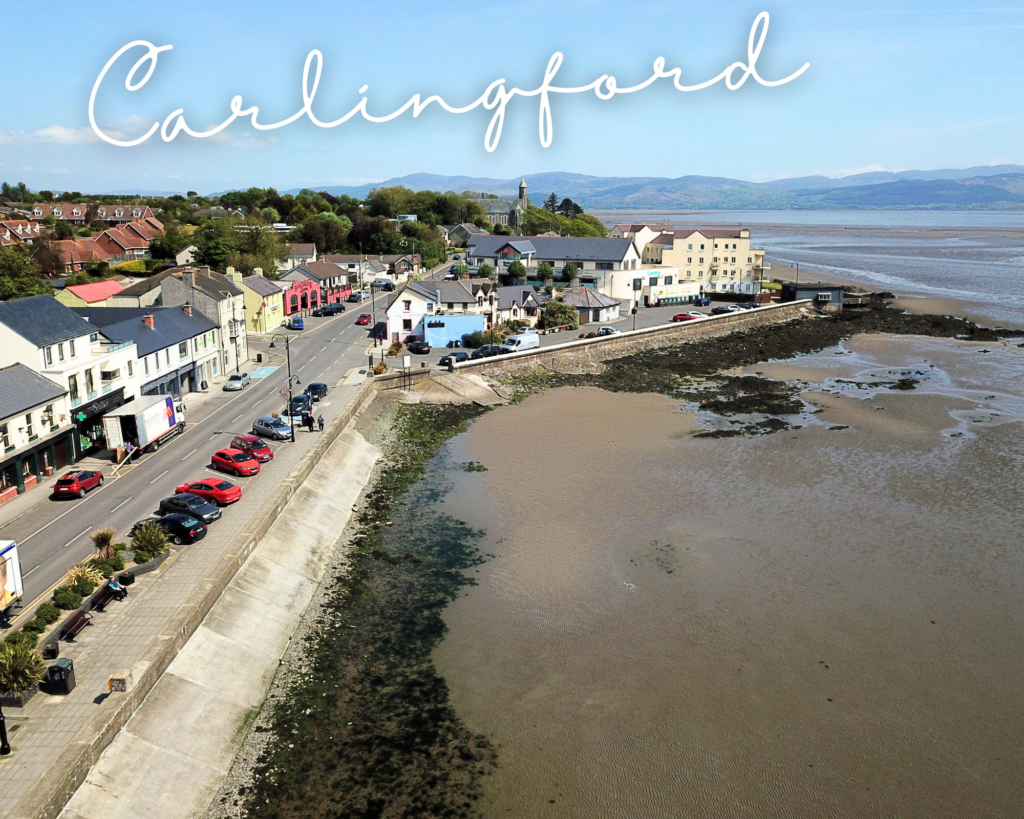

Picture this: You’re sipping your morning coffee on a terrace overlooking a medieval village, with mist-shrouded mountains on one side and a shimmering lough on the other. The air is crisp and clean, filled with the faint aroma of salt and wild herbs. This isn’t some far-off fantasy – it’s just another Tuesday in Carlingford, Co. Louth. Nestled in Ireland’s Ancient East, Carlingford is the kind of place that makes you wonder why you didn’t move here years ago. It’s a town where history whispers from every stone wall, where nature’s beauty is your constant companion, and where the warmth of community wraps around you like a cosy blanket on a chilly evening.
Nature’s Playground at Your Doorstep
Let’s talk about that scenery for a moment. The Cooley Mountains aren’t just a pretty backdrop – they’re your personal adventure park. Fancy a hike? The Tain Way offers everything from gentle strolls to challenging climbs. For those looking for a bit of a workout, the trek up Slieve Foye is a must. Trust me, when you reach the top and see Carlingford Lough stretching out before you, you’ll feel like you’re on top of the world. Speaking of the lough, it’s not just for looking at (though that never gets old). Kayaking, paddle boarding, sailing – if it floats, you can do it here. And for the anglers among us, the fishing is top-notch. There’s something truly peaceful about an early morning on the lough, where the beauty of nature is as rewarding as the catch of the day.
A Walk Through History (Literally)
Carlingford isn’t just living in the past – it’s bringing history to life every day. King John’s Castle has been standing guard over the town since the 13th century, and walking through its gates feels like stepping back in time. But it’s not all ancient stones and battlements. The town’s narrow medieval streets are now home to charming cafes, quirky shops, and some of the best restaurants in the county. Take a local pub, for instance, which has been a Carlingford institution for generations. It’s more than just a place to grab a pint; it’s a hub of community life, where stories are shared, and friendships are forged.
Community: The Heart of Carlingford
Now, I could go on about the stunning scenery and rich history, but what really makes Carlingford special is its people. This is a place where neighbours aren’t just people who live next door – they’re friends you haven’t met yet. Newcomers often find that within a week of arriving, they know more people in Carlingford than they did after years in a big city. There’s a real sense of belonging here that you just can’t find anywhere else. From the annual Oyster Festival (a seafood lover’s dream) to impromptu traditional music sessions in the local pubs, there’s always something bringing people together. And if you have children, you’ll be pleased to know that the schools here are excellent, with a strong emphasis on outdoor education and community involvement.
Living the Good Life
Here’s the thing about Carlingford – it’s not just a pretty face. It’s a place where you can truly live well. The abundance of outdoor activities and fresh, local produce (have you tried the Carlingford oysters? Divine!) makes healthy living a breeze. For those embracing the work-from-home lifestyle, high-speed internet means you can have your career and your stunning sea views too. Local entrepreneurs are finding success while enjoying the perfect balance of connectivity and inspiration that Carlingford offers. It’s a place where dreams can take root and flourish.
But What About…?
Now, I know what you might be thinking. “Sounds great, but what about healthcare? Or winter weather?” Fair questions. While Carlingford is small, it’s not isolated. The Louth County Hospital is just a 20-minute drive away in Dundalk, and there’s a fantastic local GP practice right in town. As for the weather – yes, it can get chilly and wet (we are in Ireland, after all). But there’s a certain magic to Carlingford in the winter. Imagine cosy evenings by the fire in a centuries-old pub, or crisp, frosty mornings with the mountains dusted in snow. It’s the stuff of postcards, truly.
Your Carlingford Adventure Awaits
So, are you ready to write your own Carlingford story? Whether you’re looking for a charming cottage, a modern family home, or an investment property with potential, Carlingford has something to offer. The team at Michael Lavelle Estate Agents knows every nook and cranny of this town, and we’d love to help you discover more.
Call us on 042-933 2482, let us know your search criteria and hop onto our property alert list, or check out our clients properties here to see what is available now. Don’t just dream about a better lifestyle – come and live it in Carlingford. Your future self will thank you!
New Year – New Home?!


While for most, this is an unlikely new year resolution, however for some, it’s a thought that may well has been gaining airtime in your home (or your head) in recent months.
This thinking could have arisen be due to space constraints, a new job or perhaps a change in circumstances!
It could also be a snap reaction to a change that has occurred in your life. The need to move to a bungalow due to mobility issues for example, a bereavement or a geographic decision as your existing work takes you further afield.
Then again, you might be one of those people who are super-planners: those who are operating to a 3-5 year plan and looking to move this year as part of a retirement / equity release or downsizing strategy.
If any of these things apply to you then here is my advice if you are planning a home move in 2024 or beyond (Although many of these tips will apply regardless of when or to where you are planning to move!)
No.1/ Flexibility is Key:
If you are considering a downsize, remember the market always has very little to offer, particularly in highly sought after locations – e.g. Blackrock, Dundalk town centre, Ardee town centre, so it’s worth being a little flexible in terms of your timeline. This requires you to keep an eye on the market at all times. Ask agents to add you to their database is a good starting point, and also subscribe to websites like daft for alerts
No.2/ Crafting a Relocation Vision
If you’re considering a relocation abroad, it’s good to have a good 12 month view of places that are on your wish list… for weather, what times of year you are guaranteed regular flights there, and also whether there are certain times of year you def dont want to be there – eg summer in the canary islands is very hot – and therefore where you will spend those weeks when you want to be elsewhere (and research airbnb options for your house and your short term accommodation)
No.3/ Showcasing Your Homes ‘Best Self’ Year Round
Take a year round look at your home. Is it especially well presented in summer months with garden in full bloom? in which case, take lots of photos when it’s looking its best and your agent can use these photos even if you’re selling in a different season
No.4/ Decluttering with Purpose
Start your declutter NOW (especially if downsizing). If, for instance your garage is brimming with years of stuff that hasn’t been touched in years, it’s time to get stuck in – same goes for the attic. From personal experience, I recommend you allow at least 2 months per room in your house to pack, gift, donate, clear and tidy…for a 4 bed detached, that’s approx 3 – 4 months!!!
No.5/ Elevate Your Homes Appeal with BER Upgrades
BER will truly become the crucial factor on making homes extra attractive, so use your lead in time to get B.E.R-fit. Get your energy upgrades now to get as strong a B.E.R as possible (if you are availing of any grants for this, check small print for claw backs)
No.6/ Indulge in a Home Makeover?
With time on your hands, it’s definitely worth repainting in 2024 and by that I mean walls and woodwork and ceilings. Wooden windows? Sand, treat and paint the frames. And since you’re not planning to move straight away, you get to enjoy a freshly painted home. My clients always say to me they wish they had done their declutter and paint while they could enjoy them!
No.7/ Proactive Planning
Don’t get caught out on planning. Imagine you don’t check your planning, put your property on the market and in 12 months you only realise then, that you need retention!! You could have ticked that off now and had a clear sight of the finish line next year…
No.8/ Navigating International Property Rules and Regs
Refer to my earlier advice on downsizing and getting advice. If you’re moving abroad, research the rules for buying property there, the tax rules and non- national residency rules. Start to get your paperwork ready now for long term peace of mind and pocket!
No.9/ Pet Logistics
Pets? If you’re planning to rent until you buy, check the pet rules. If moving abroad, check out micro chipping, pet passport and quarantine rules for your destination.
No.10/ Prioritise Your Health and Healthcare Cover
Health & Private healthcare – ensure you are covered. Even if you’re moving across the border, it’s chalk and cheese in terms of admin. And get registered with a local GP sooner than later so there are no surprises or delays in having your medical circumstances in order.
And for a bonus…
No.11/ Smart Handling of Contracts
Beware long term contracts for broadband and utilities. Depending on how long before your anticipated move, don;t get caught with cancellation charges… and check out the broadband wherever you are moving to…
Conclusion
There is a lot to think about when it comes to moving home – even more than the list that has been created above! To help you with your planning and to gain expert advice when gathering information on what YOUR best options are – then let us know in Michael Lavelle Estate Agents, Dundalk.
Our team is here to help you whenm you need it most – which is from the start of yoru selling journey, and we are with you all of the way through to your property goal success.
If you need to clarify or query we are here. Start your sales journey with confidence, leverage over 50 years of our local dundalk estaet agency know how for your best result!
Contact the Team Here Today and get your Free Home Sales Valuation PLUS a Free Sellers Consultation which will give you the ‘ins and outs’ of home selling in Louth, even before you go to market!
The Art of Downsizing: Finding the Perfect Fit for Your Changing Needs


Introduction
Downsizing is a term used to describe the process of moving from a larger property to a smaller one that better suits your needs. It involves considering factors such as location, practicality, and energy efficiency. In this blog post, we will explore the reasons why people choose to downsize, the benefits and challenges associated with it, and provide practical tips to help you navigate the downsizing process smoothly.
Reasons for Downsizing
There are several common reasons why individuals consider downsizing. In our long experience of working with property for nearly 50 years, these include:
The Property Size and Maintenance:
Many homeowners find that their current property is too large and expensive to maintain. Downsizing allows them to reduce their living space and associated costs. This can range from the cost of heating a larger home to the general maintanence involved, which can get either physically more demanding each year.
Emotional Attachment to Family Members:
Many people have a strong emotional attachment to their family home. However, as circumstances change, they may feel the need to move closer to amenities or family members who have moved away. Perhaps more remote countryside living was ideal when the household was full with family. Later years when children have grown up, a person or couple may wish to sell up and move closer to grandchildren or feel a closer sense of community again.
Practicality:
Properties with stairs or other mobility challenges may become impractical as individuals age. Downsizing to a more accessible home can ensure long-term comfort and convenience. Perhaps even moving into a supported living community, where there is help immediately at hand if needed yet maintaining the freedom of living independently in your own home.
Benefits and Challenges of Downsizing
This brings us on to the benefits and challenges of downsizing. Before making the decision to downsize, it is important to consider both the upsides and downsides. Here are some key points to keep in mind:
Benefits:
Equity Release: Downsizing can provide an opportunity to release equity from your current home, which can be used for other purposes such as retirement savings or investments.
Increased Freedom: A smaller property usually means less maintenance and upkeep, allowing for more free time to pursue family time, hobbies and activities that bring joy. in other words, having the freedom to make great memories in a new home.
Proximity to Loved Ones: Moving to a smaller home can bring you closer to friends, family, and amenities, enhancing your social life and overall well-being.
Challenges:
Emotional Attachment: Leaving a family home can be an emotional process. It is important to acknowledge and address these feelings to ensure a smooth transition.
Hosting and Intrusion Concerns: When selling to downsize, it may raise concerns about hosting important events such as birthdays or upcoming celebrations. To avoid the feeling of being intruded upon, set out these keys dates with your Estate Agents when selling the property.
These following concerns should be addressed and discussed with professionals, who can clear up lingering doubts or queries you may have about selling to downsize.
Financial Considerations: While downsizing can lead to lower running costs, there are expenses associated with selling a home, moving, legal fees, and potential refurbishment costs. These should be factored into your decision-making process.
Preparing for the Downsizing Process
To make the downsizing process as smooth as possible, consider the following 7 steps. We have found over the years, that these steps have helped the process go much more smoothly for previous downsizing clients when selling.
1.Create a Timeline: Develop a timeline that takes into account any family events or important occasions. This will help you plan and manage the downsizing process effectively.
2. Decluttering: Downsizing often requires decluttering your belongings. This can be a time-consuming and emotionally challenging task. Start early and seek support from professionals if needed.
3. Seek Professional Advice: Surround yourself with professionals you trust, such as solicitors and estate agents. They can provide guidance and support throughout the downsizing journey.
4.Consider Implications: Take into account any complications or implications, such as property chains, and seek advice from medical professionals if needed.
5. Property Research: Begin exploring smaller properties to get a sense of what you like and what is available in your desired location. This will help you make informed decisions.
6. Make Decisions on Your Terms: While seeking advice from others is important, ultimately, make decisions that align with your needs and preferences. Be aware of conflicting advice and consider the motives of those giving it.
7. Financial Advice: Seek sound financial advice, especially regarding taxation implications. This will ensure you make informed decisions about your finances during the downsizing process.
Conclusion
Downsizing can be a transformative experience, allowing you to find a property that better suits your changing needs. By considering factors such as location, practicality, and energy efficiency, you can make an informed decision about downsizing. Remember to create a timeline, declutter, seek professional advice, and be prepared for the process. With careful planning and consideration, downsizing can lead to a more comfortable and fulfilling lifestyle.
We hope you found this information helpful. For the full Vlog of this article, delivered by Joanne Lavelle, which covers each topic just a little bit more in-depth, simply Click Here
If you have any further questions, please feel free to reach out to our team in Michael Lavelle Estate Agents by Clicking Here To Contact. Leave your details with us on that direct contact form and we will schedule a call back to you.
By all means, you can also feel free to call 042-933 2482 or message Joanne directly on email: joanne@lavelles.ie, if that is more suitable for you.
Thank you for reading, let us know if you have any queries and best of luck with your downsizing journey!
Optimized by WP Lighthouse.
 3.80k
3.80k 8.60k
8.60k
 1.66k
1.66k

 1.25k
1.25k